
Register new customer
Increase resignations completions for new customers
Role
UX Designer
Team
UX, PM, analytic and 2 developers
Timeline
January 2021 - In use
Data driven decions
worked with a strong focus on data-driven development. One of my main responsibilities was to collect and analyse user input, then turn it into recommendations for the team. The project started from our analyst seeing that we hade an unusually high drop out from the registration flow for new users, that started the work to find out why and how to improve this with small design changes.
Google analytics
Hotjar
Designing for B2C vs B2B
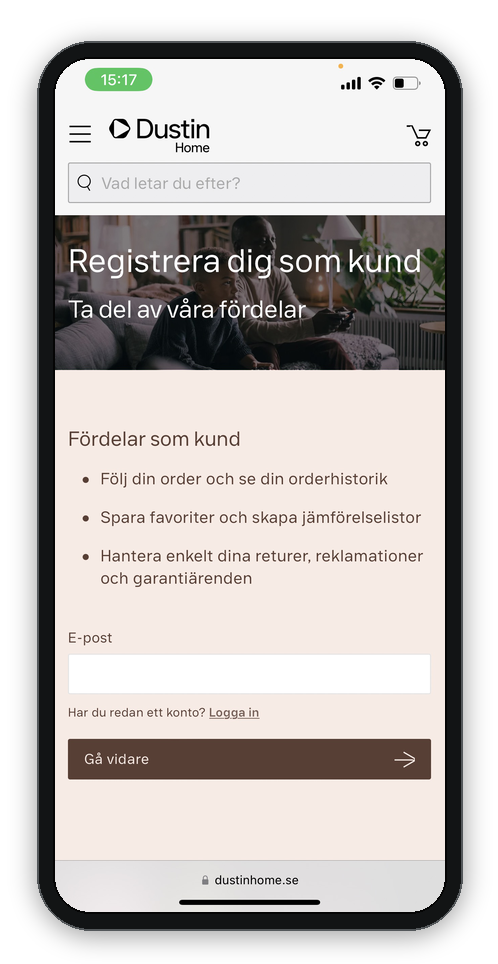
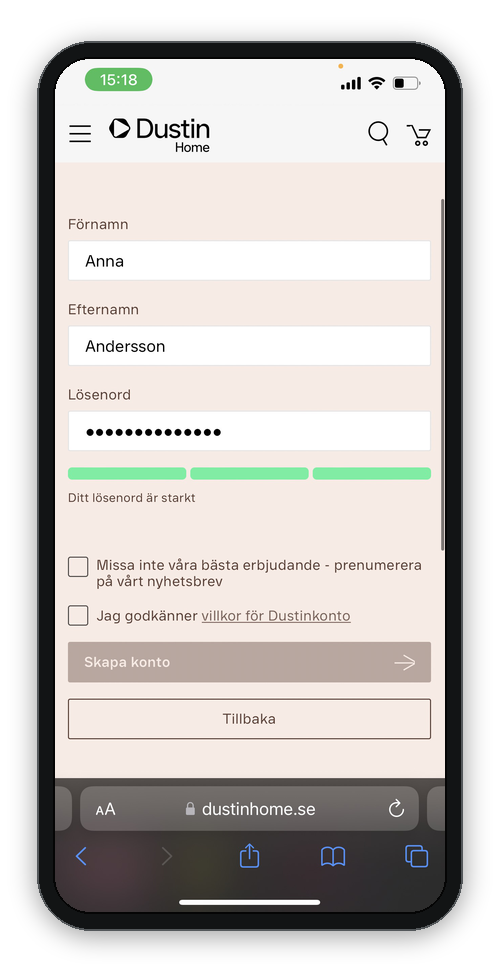
We divided the input fields into clear categories and guided users through each category in a step-by-step flow. A sense of progression added a light element of gamification and encouraged users to continue with registration. Clear categories helped B2B customers understand what information was needed at each stage. A visible progress indicator made the journey feel more manageable and encouraged customers to continue. The new structure was designed for both desktop and mobile, while maintaining a consistent experience across devices.
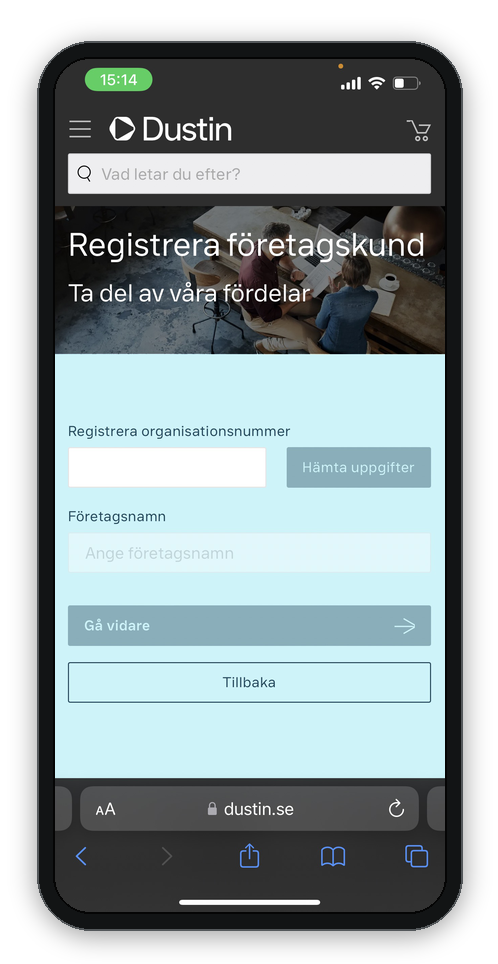
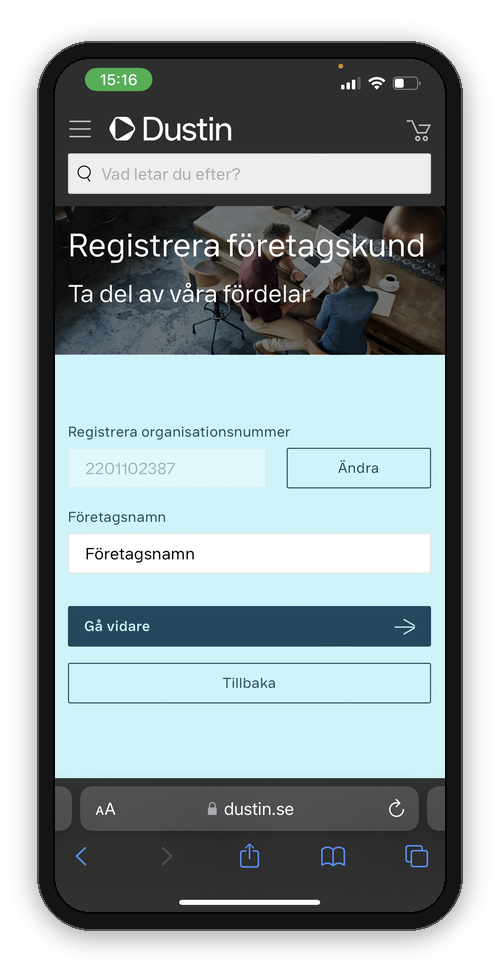
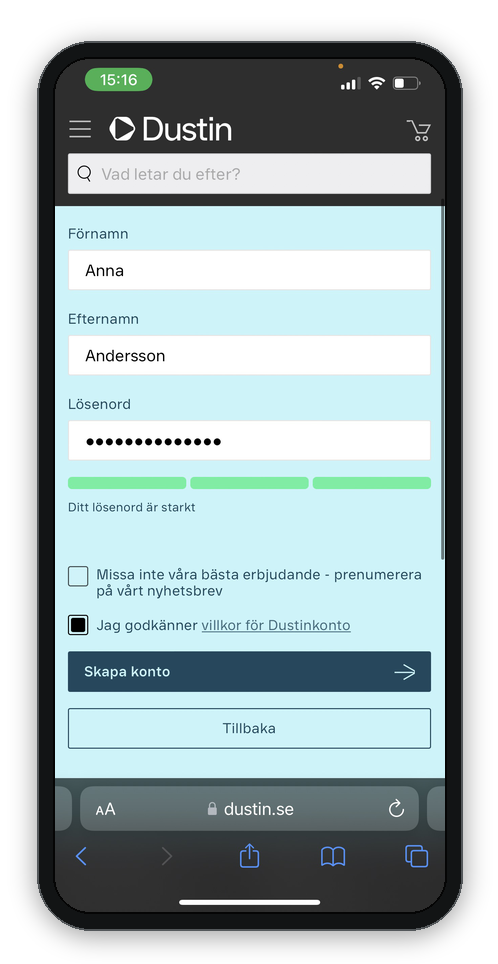
What information is about me and what information is about the company?
On the B2B site, users had difficulty understanding which information related to them personally and which information belonged to the company. We reorganized the form into separate stages for email, company information and account details.
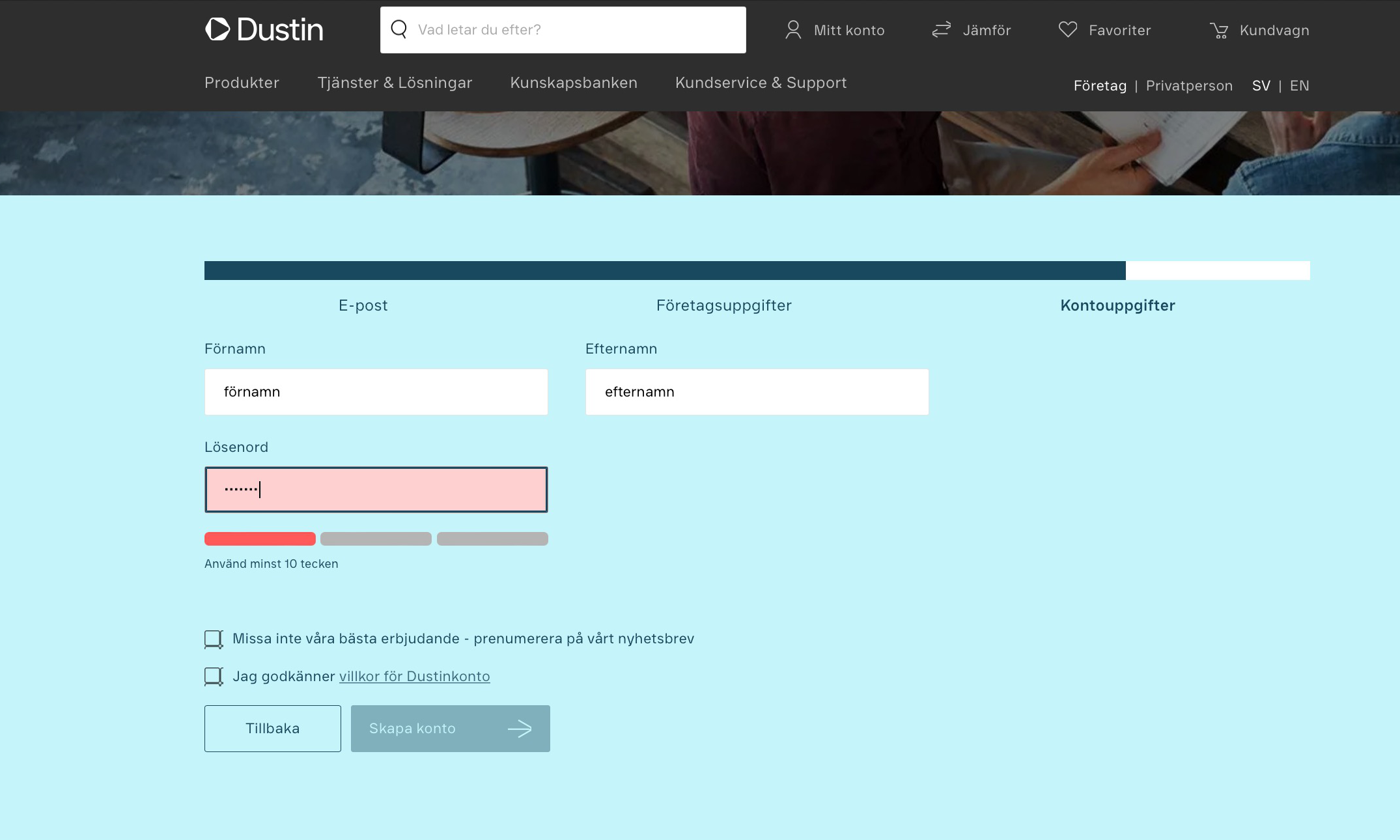
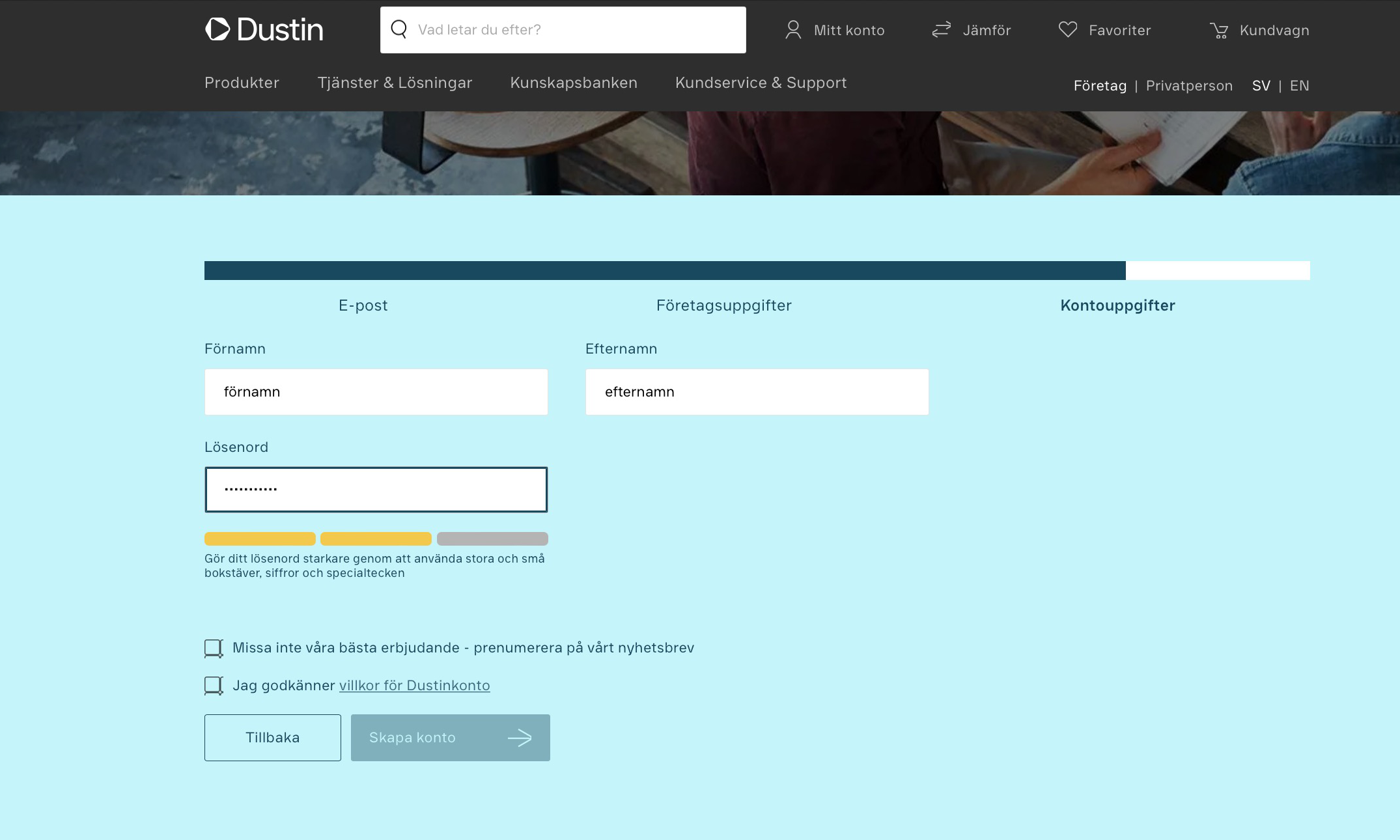
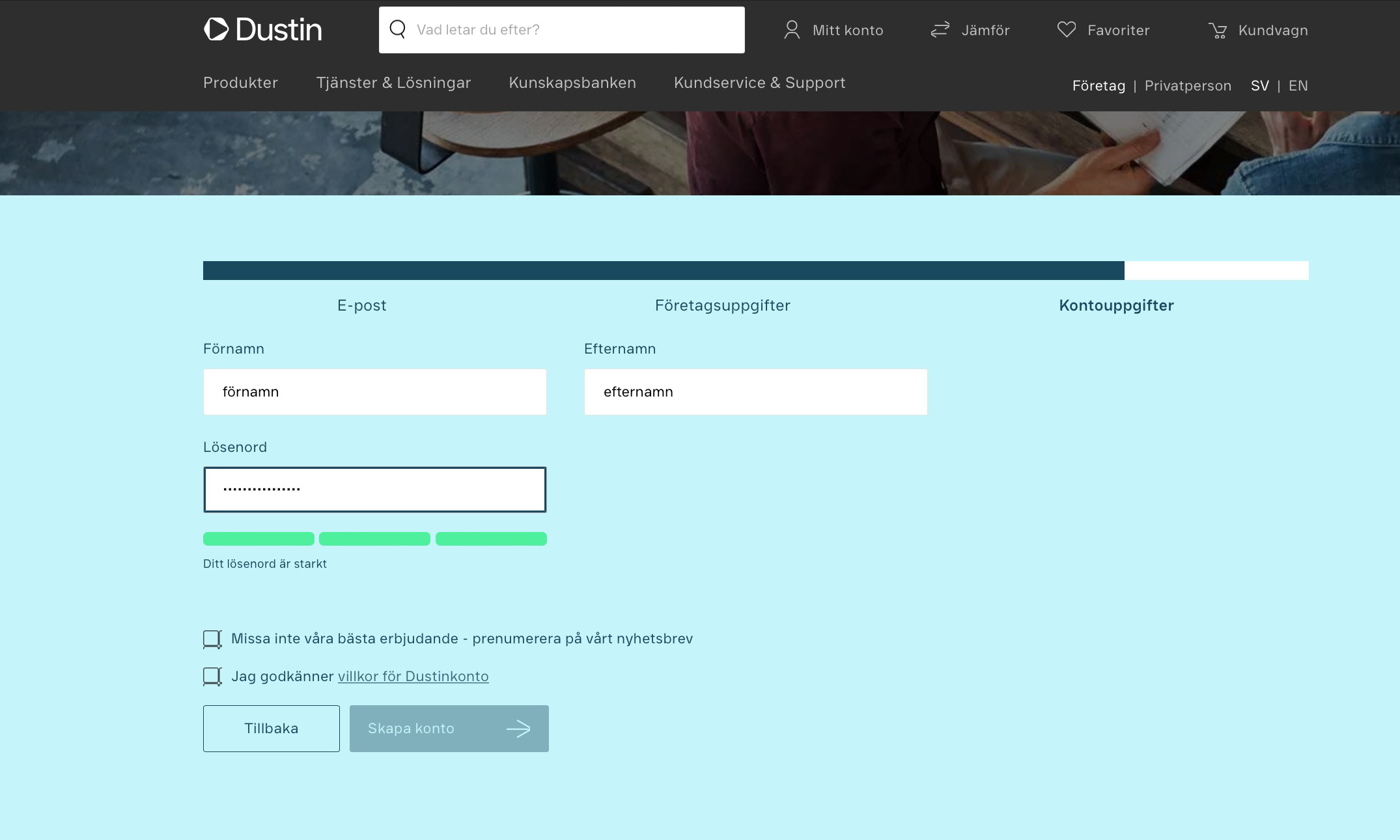
Password strength meter
The development team raised a security concern: users generally chose weak passwords, and the previous experience had no requirements for length, special characters, or similar safeguards. We introduced a password-strength meter that provided immediate feedback and encouraged safer choices. The goal was to improve security without adding requirements that could cause more customers to abandon registration.
Outcome
After launch, fewer customers cancelled midway through registration and the average completion time decreased. Analysis also showed that the stronger password guidance did not reduce registrations or increase abandonment at the password step. The project demonstrated how focused design changes, grounded in behavioral data and an understanding of different customer needs, can improve both usability and business performance at scale